
Kalamazoo Stormwater Working Group
About KSWG
Mission Statement
The Kalamazoo Stormwater Working Group (KSWG) is a collaborative effort of outreach and education for our interconnected Municipal Separate Storm Sewer Systems (or MS4s) in the Kalamazoo County area.
Rain falls and snow melts across hard and impervious surfaces that do not allow water to soak into the ground. The water flows to storm sewers or catch basins which direct it to a natural surface water body such as a wetland, river, pond or lake. Stormwater runoff carries salts, grass clippings, sediment, fertilizer, oils, pet waste, and other material left on driveways and sidewalks into the catch basins, and unfortunately, they eventually drain to our natural water bodies.
KSWG partners work together to protect against harmful discharges to the Kalamazoo River and its tributaries.

Proper Applications of Pesticides, Herbicides, and Fertilizers
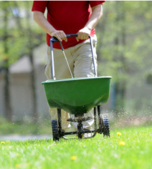
How do pesticides, herbicides, and fertilizers affect the environment?

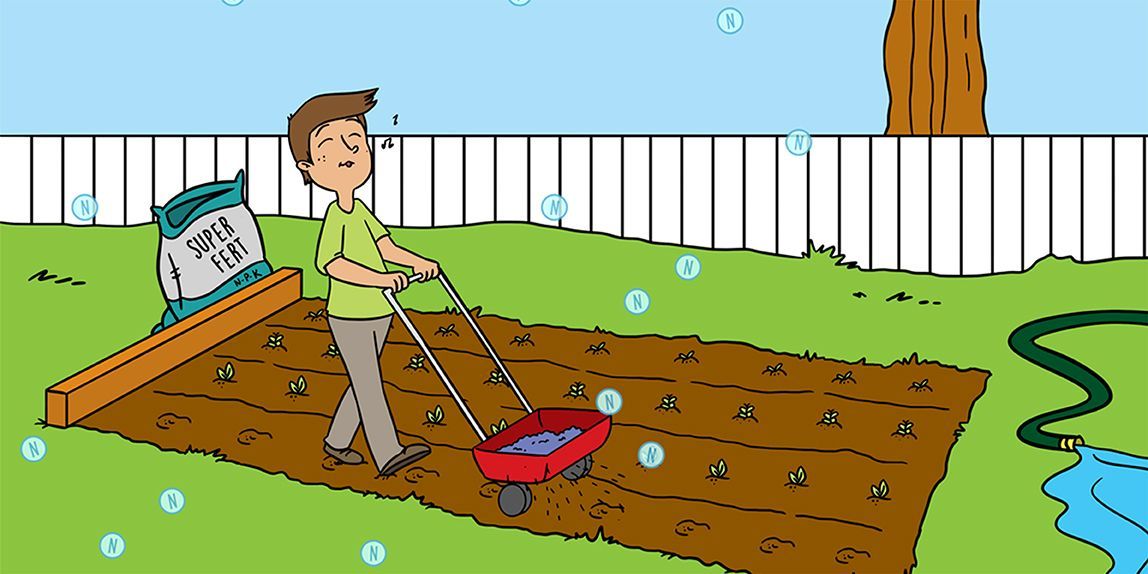
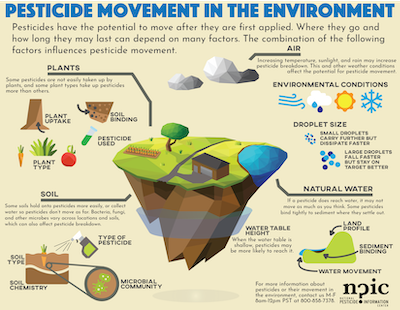
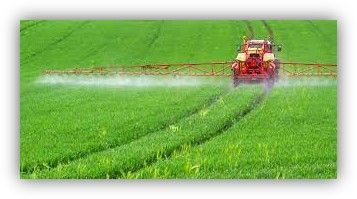
Improper application of pesticides, herbicides, and fertilizers may have an impact on storm water infiltration into groundwater. When these contaminants dissolve in storm water they find their way into the groundwater and then into surface waters, such as ponds, streams, rivers, and lakes.
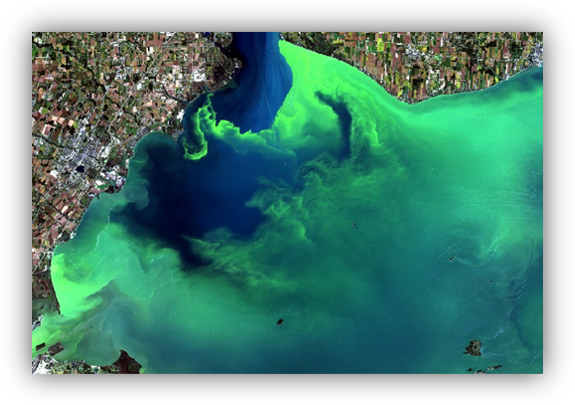
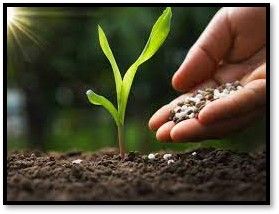
Excessive use of fertilizers can lead to eutrophication; eutrophication is excessive richness of nutrients in a lake or other body of water, frequently due to runoff from the land, which causes a dense growth of plant life and death of animal life from lack of oxygen.
What are the impacts of eutrophication on the environment?
The impact of eutrophication on the environment and the economy is concerning. When algal blooms form, less sunlight can penetrate the water surface, which results in decreased productivity of underwater plants and depleted oxygen reserves. The lack of oxygen has devastating effects on aquatic life, including fish such as trout and salmon. In addition, some algae produce toxins in the water, further damaging the aquatic ecosystem. Economically, operating expenses of public water works increase because of taste and odor issues caused by algal bloom. Fish death and navigational impediments can impact severely the economies of regions dependent on fishing as a source of revenue. Similarly, recreational areas lose business because of slime and weed infestation around lakes and streams

FUN FACTS
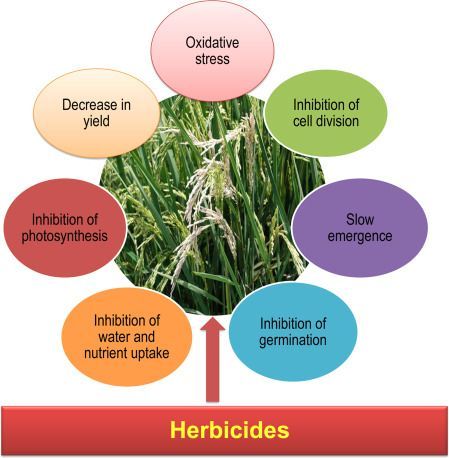
Fact: There are different types of pesticides for getting rid of different pests.
- Herbicides kill weeds
- Insecticides kill insects that eat plants and crops
- Fungicides kill any bad
fungi

How to Dispose of Pesticides - Guide to Hazardous Waste
What Is a Pesticide?
A pesticide is a substance (either a chemical or biological agent) that is intended to control pests, or used to protect plants and crops, pesticides can include the following:
- Herbicide
- Insecticide
- Nematicide
- Molluscicide
- Piscicide
- Avicide
- Rodenticide
- Bactericide
- Insect repellent
- Animal repellent
- Antimicrobial
- Fungicide
Sometimes, the aim of the pesticide is to kill or incapacitate the pest. In other cases, it serves as a repellent. In either case, the goal is to prevent or reduce damage to plants and crops and protect the gardener or farmer’s income.
What should you do when using pesticides, herbicides, and fertilizers?
How does pesticides, herbicides, and fertilizers affect human health?
Increased and incorrect fertilizer use can also result in public health risks. Fertilizers contain heavy metals such as arsenic, lead, mercury and cadmium that can cause serious health problems. Arsenic and lead are believed to cause cancer, and mercury can result in developmental problems. Mercury, lead, and cadmium are slow to break down in soil and thus result in prolonged exposure, making even low levels of these elements hazardous and increasing risk of birth defects, cancer, and reproductive problems.
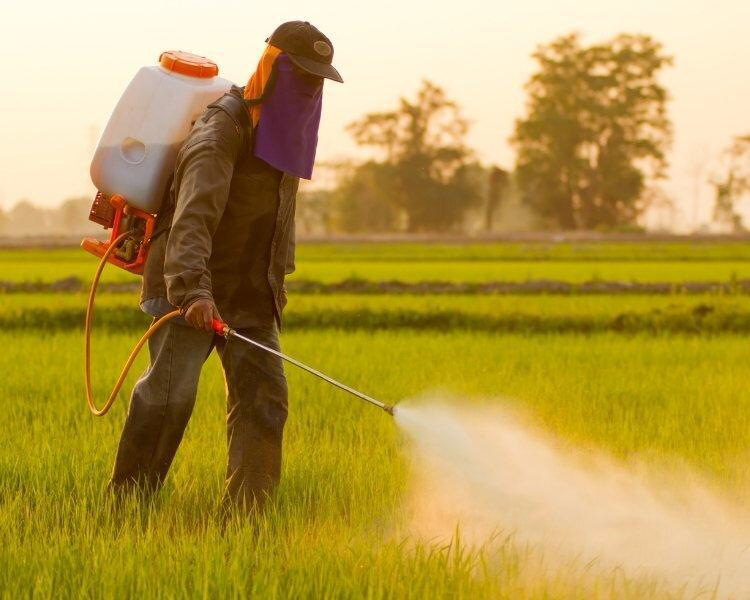
Some Guidelines to follow when using pesticides and herbicides include:
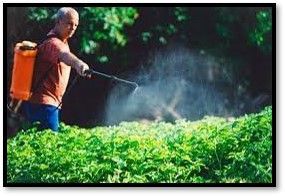
- Always wear appropriate protective clothing.
- Never wash contaminated clothing with other clothing.
- Take precautions to prevent spills. For example, close containers tightly after each use, even if you plan to re-open them soon.
- Store pesticides in their original containers. Never place them in food or beverage containers.
- Avoid storing pesticides in extreme temperatures. Pesticides should be stored on the property at temperatures between 40-90 °F.
- Know what nutrient levels a particular plant needs, as well as the current nutrient levels in your soil.
- Whenever possible, plant native and adapted plants in your garden because their water and fertilizer demands will be less than non-native plant species.
- Add groundcover plants to your garden to help absorb any extra nitrogen in the soil and to prevent leaching.
- Always follow the application rates specified on the product labeling.
What should the half-life of pesticides be?
The half-life should be printed on the product label. Avoid pesticides with half-lives longer than 21 days. In dealing with pesticides and herbicides at home or on the job, develop a plan for use and safety. At work, only certified applicators may use pesticides and herbicides.
Where can I dispose of my pesticides, herbicides, and fertilizers?
Leftover pesticides and herbicides used in residential settings may be disposed of at your local county hazardous waste collection sites (view our recycling page for a list of some local county's webpages).
The Kalamazoo County Health and Hazardous Waste Center (HHW)
Located at 1301 Lamont Ave, Kalamazoo, MI 49048. Their hours can be found in the link below.
Service is FREE for all Kalamazoo County residents with the exception of Climax Township and Cooper Township.
Any resident can use the HHW Center for the current participation fee. Materials accepted and not accepted are also listed by the HHW.
This month’s stormwater topic is brought to you by KSWG partner:

Mission Statement
City of Parchment
“The Paper City”
The City of Parchment has a Municipal Separate Storm Sewer System (MS4). They are committed to protecting our lakes, waterways and wetlands by ensuring that stormwater runoff from its roadways and facilities complies with all required federal and state environmental regulations.
Topic 5. Inform and Educate on Promote Disposal and Application of Pesticides, Herbicides, and Fertilizers.
Our Partners
Parchement
Mr. Kindleberger and a committee of citizens planned the riverfront community of Parchment, a model village carved out of the northern part of Kalamazoo Township.

Galesburg
The City of Galesburg adjoins the Kalamazoo River and Morrow Lake and is a mid-sized city between Detroit and Chicago.

Vicksburg
Vicksburg is the Village with a Vision. The Village of Vicksburg is committed to ensuring that stormwater runoff from its roadways and facilities complies with all federal and state environmental regulatory requirements.

Western Michigan University (WMU)
"Re-think Smart." It's more than book smarts. More important than IQ. It's the pursuit of purpose, daring to think differently, and not being afraid to question answers. We call it Rethink Smart.

Kalamazoo Valley Community College (KVCC)
Kalamazoo Valley Community College (KVCC) is a public community college in Kalamazoo established in 1966 and enrolls about 10,000 students. KVCC is committed to preserving our local waterways in our downtown campus with green infrastructure and at the Texas Township campus adjoining the West fork of the Portage Creek.

Road Commission of Kalamazoo (RCKC)
The goal of the Board of County Road Commissioners of the County of Kalamazoo is using our expertise, energy and funds to provide the safest and most convenient road system possible, and to contribute to economic development and high quality of life throughout the county.

Kalamazoo County Drain Commissioners Office
Our Mission is to provide for the health, safety and welfare of Kalamazoo County citizens, the protection of surface waters and the environment, and to promote the long-term environmental sustainability of Kalamazoo County by providing storm water management, flood control, soil erosion controls and education.

City of Portage
To the City of Portage, protecting its natural treasures is an investment in the health, growth and stability of the community without being a burden on city resources. The city continuously engages its citizens to address current challenges and develop a future vision for our community - and ultimately ensure the city remains A Natural Place to Move.

City of Kalamazoo
The City's Michigan National Pollutant Discharge Elimination System (NPDES) Permit allows for the non-point source discharges of stormwater to the local surface water bodies. Our goals seek to improve water quality, provide more efficient development guidelines, and to provide controls to minimize localized flooding.

Kalamazoo River Watershed Council
The Kalamazoo River Watershed Council's mission and vision come from a desire to protect, preserve, and promote the Kalamazoo River and its tributaries for current area residents and future generations. To restore and protect the health of the Kalamazoo River, its tributaries, and its watershed by collaborating with the community, government agencies, local officials, and businesses.
Kalamazoo Public Schools (KPS)
At Kalamazoo Public Schools (KPS) it is our mission to nurture the dreams of all students and empower all students to contribute to a better world. KPS is a vibrant, progressive district and home to "The Kalamazoo Promise", a unique scholarship that provides up to 100 percent, post-secondary tuition and fee assistance.

Estado de la Misión
El Grupo de trabajo de aguas pluviales de Kalamazoo (KSWG) es un esfuerzo colaborativo de divulgación y educación para nuestros sistemas de alcantarillado pluvial separados municipales interconectados (o MS4) en el área del condado de Kalamazoo. La lluvia cae y la nieve se derrite sobre superficies duras e impermeables que no permiten que el agua penetre en el suelo. El agua fluye hacia las desagües pluviales que la dirigen a un cuerpo de agua superficial natural, como un humedal, un río, un estanque o un lago. La escorrentía de aguas pluviales transporta sales, recortes de césped, sedimentos, fertilizantes, aceites, desechos de mascotas y otros materiales que quedan en los caminos de entrada y las aceras hacia los desagües pluviales y, desafortunadamente, eventualmente se drena en nuestros cuerpos de agua natural. Los socios de KSWG trabajan juntos para proteger el río Kalamazoo y sus afluentes de descargas dañinas.
El tema de las aguas pluviales de este mes es presentado por el socio de KSWG:
Resources
City of Kalamazoo - Protect Your Water has the following to assist you in educating yourself and others.